100 KDP NICHES LOW COMPETITIVE 2024: A Practical Guide for Authors and Publishers
In the ever-evolving world of self-publishing, finding a low-competitive niche on Amazon Kindle Direct Publishing (KDP) can be a game-changer. The 100 KDP NICHES LOW COMPETITIVE 2024 is a resource designed to help authors and publishers identify profitable niches with less competition, making it easier to rank higher in search results and attract targeted audiences. This guide explores what these niches are, why they matter, and how they can be leveraged effectively.
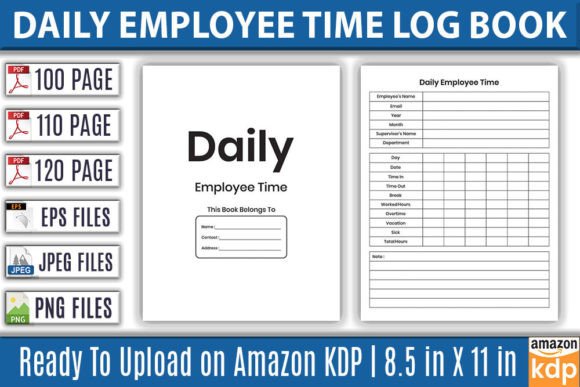
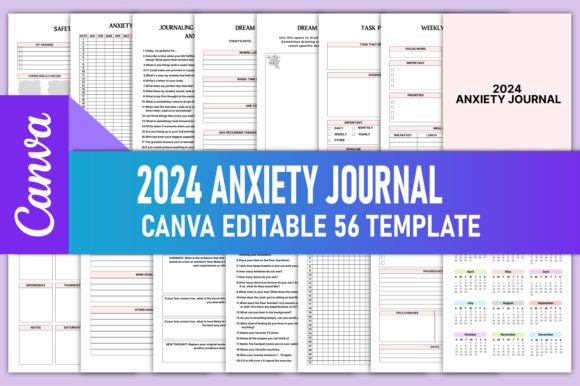
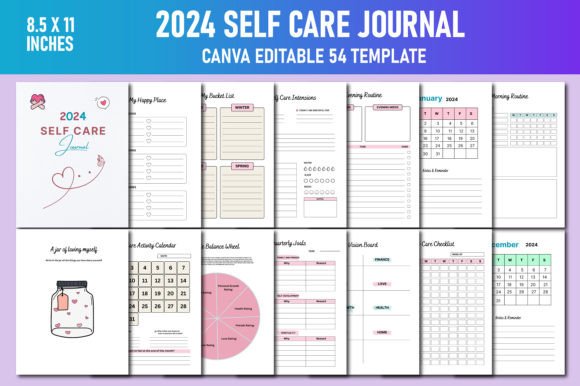
For those new to KDP, understanding the concept of niches is essential. A niche refers to a specific topic or category within a broader market. Low-competitive niches are areas where there are fewer books, making it easier to stand out and gain visibility. These niches often cater to specific interests, such as log books, coloring books, journals, and activity books, which have seen consistent demand across different demographics.
Why Consider Low-Competitive Niches?
There are several reasons why someone might be interested in exploring 100 KDP NICHES LOW COMPETITIVE 2024. For beginners, it offers a more accessible entry point into the KDP marketplace. With less competition, authors can focus on creating high-quality content without the pressure of competing against hundreds of similar titles. This can lead to quicker sales and better visibility, especially when combined with effective SEO strategies.
Additionally, low-competitive niches often align with specific audience needs. For example, log books and journals are popular among professionals, students, and hobbyists who want to track their progress or organize their thoughts. Coloring books and activity books, on the other hand, appeal to both children and adults, offering a blend of entertainment and creativity. These niches provide opportunities to create content that resonates with real-world needs, increasing the potential for repeat purchases and customer loyalty.
Benefits and Tradeoffs of Low-Competitive Niches
One of the primary benefits of targeting low-competitive niches is the potential for faster growth. With fewer competitors, your book has a better chance of appearing in search results, especially if you optimize it with relevant keywords. This can lead to increased visibility, higher sales, and greater profitability over time.
However, it's important to recognize that low competition doesn't always mean high demand. Some niches may have limited audience reach, which could affect long-term profitability. For instance, while a niche like "log book niches" might have few competitors, the target audience could be relatively small compared to broader categories like fiction or non-fiction.
Another consideration is the need for strong keyword research. Even in low-competitive niches, it's crucial to understand what terms your audience is searching for. Tools like Amazon’s search bar, KDP’s keyword tool, and third-party platforms can help identify high-potential keywords that align with your niche. This ensures that your book is discoverable by the right people.
Situations Where Low-Competitive Niches Excel
The 100 KDP NICHES LOW COMPETITIVE 2024 can be an excellent fit for several scenarios. If you're looking to start a side hustle or test the waters of self-publishing, low-competitive niches offer a lower risk of failure. They allow you to experiment with different topics and formats without the pressure of competing in saturated markets.
These niches are also ideal for creators who want to build a brand around a specific theme. For example, focusing on coloring books niches or activity book niches can help establish expertise in a particular area, making it easier to expand into related products or services. This approach can be particularly effective for educators, artists, and parents looking to create content that serves a specific purpose.
When Alternatives Might Be Better
While low-competitive niches have their advantages, there are situations where alternative approaches might be more beneficial. For instance, if you're targeting a broad audience or aiming for mass-market appeal, a more competitive niche might offer greater long-term potential. High-competition niches often have larger audiences, which can lead to higher sales volume, even if it takes longer to achieve visibility.
Moreover, some niches may require more extensive research and development. For example, log book niches or journals niches might involve creating multiple variations to cater to different user needs, which can be time-consuming. In such cases, it's important to weigh the effort required against the potential returns.
Practical Insights for Decision-Making
When deciding whether to pursue 100 KDP NICHES LOW COMPETITIVE 2024, consider your goals, resources, and audience. If your objective is to quickly launch a book and see results, a low-competitive niche can be an effective strategy. However, if you're looking for long-term growth and scalability, you may need to explore more dynamic markets.
It's also wise to evaluate the quality of the niche itself. Look for niches that have a clear demand, minimal saturation, and alignment with your skills or interests. For example, low content keywords and low content niches can be ideal for authors who prefer to focus on structure over extensive writing, making it easier to produce multiple titles efficiently.
Finally, don't overlook the importance of continuous learning and adaptation. The KDP landscape is constantly changing, and what works today may not work tomorrow. Staying informed about trends, experimenting with different formats, and refining your approach based on feedback can significantly improve your chances of success.
In conclusion, the 100 KDP NICHES LOW COMPETITIVE 2024 provides a valuable framework for authors and publishers seeking to navigate the KDP marketplace with confidence. By understanding the strengths and limitations of low-competitive niches, you can make informed decisions that align with your goals and maximize your potential for success.